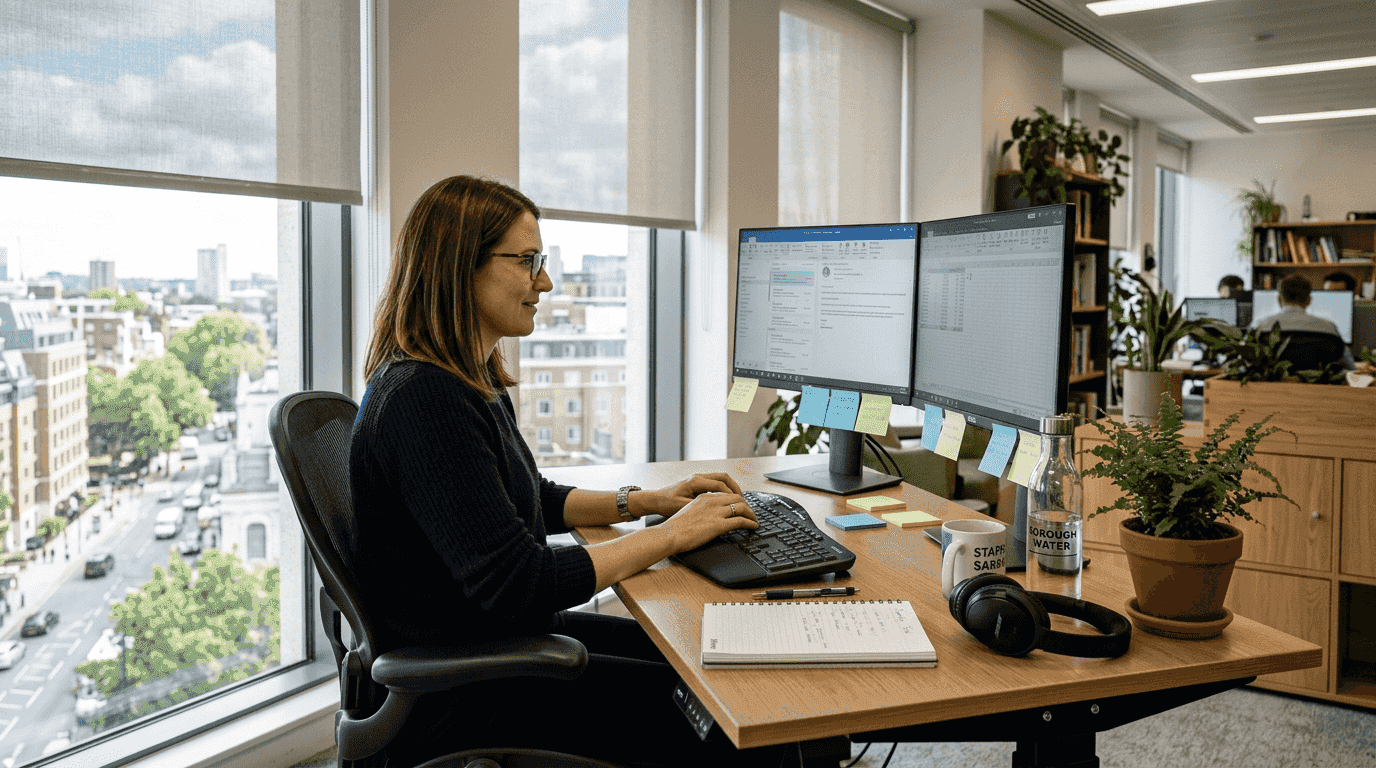
Choosing the right office environment remains one of the most critical decisions for neurodiverse professionals with ADHD or autism. Sensory-friendly workspaces reduce stress, enhance focus, and support sustained productivity. This article explains evidence-based best practices to help you select or design offices that genuinely accommodate neurodiverse needs through adjustable sensory features, flexible layouts, and personalised accommodations.
Table of Contents
- Selection Criteria For Neurodiverse-Accessible Offices
- Lighting And Visual Environment Optimisation
- Acoustic Design And Noise Management
- Workspace Layout And Flexibility
- Sensory And Cognitive Comfort Through Biophilic Design
- Personalised Accommodation Strategies
- Summary And Situational Recommendations
- Find Neuro-Friendly Workspaces With NeuroIndex
- Frequently Asked Questions
Key takeaways
| Point | Details |
|---|---|
| Adjustable sensory controls | Lighting, acoustics, and temperature must be user-controlled to minimise sensory overload. |
| Hybrid workspace layouts | Multizonal designs balancing quiet zones with collaborative areas best support diverse neurodiverse needs. |
| Biophilic design integration | Natural elements like plants and daylight reduce anxiety by 30% and improve working memory. |
| Personalised accommodations | Adjustable desks and noise-cancelling headphones boost productivity by 25% for neurodiverse employees. |
| Evidence-based selection | Neuro-inclusive offices improve employee retention by 20%, making informed choices critical. |
Selection criteria for neurodiverse-accessible offices
Identifying the right office starts with understanding core sensory and cognitive requirements. Neurodiverse professionals need environments that reduce sensory overload while supporting focus and well-being.
Prioritise adjustable sensory controls. Lighting intensity, colour temperature, and acoustic settings should be user-controlled. Fixed environments force everyone into the same sensory experience, which rarely works for neurodiverse individuals.
Flexible workspace zones matter equally. You need options: quiet zones for deep focus, collaborative areas for team interaction, and transitional spaces for sensory breaks. Rigid layouts fail to address shifting needs throughout the day.
Materials and colours influence sensory comfort. Matte finishes reduce glare, whilst calming neutral tones prevent visual overstimulation. Avoid harsh fluorescents and reflective surfaces that create distracting visual noise.
Individual accommodations amplify environmental benefits. Adjustable desks, noise-cancelling headphones, and personalised lighting create micro-environments within shared spaces. These adaptations respect individual sensory profiles.
Biophilic and ergonomic design provide measurable cognitive benefits. Natural elements and proper furniture support both physical comfort and mental restoration. Neuro-friendly workspaces increasingly integrate these evidence-based features.
Pro Tip: Request a trial day in any prospective office. Experience the sensory environment firsthand during your typical work hours to assess real-world fit.
Lighting and visual environment optimisation
Lighting directly impacts sensory comfort and cognitive performance for neurodiverse professionals. Poor lighting triggers headaches, eye strain, and difficulty concentrating.
Adjustable brightness and colour temperature are essential. Research shows controlled lighting reduces sensory overload by 70% for neurodiverse individuals. Optimal colour temperature ranges between 4000K and 5000K, mimicking natural daylight without harsh blue tones.
Low flicker rates prevent subtle visual disturbance. Flicker below 3% significantly lowers sensory stress that many people don't consciously notice but still experience as fatigue. High-quality LED systems with proper drivers eliminate this invisible stressor.
Natural light integration supports circadian rhythms and mood regulation. Windows and skylights provide dynamic lighting that changes throughout the day, reducing the monotony of artificial sources. Position workstations to maximise natural light exposure without creating glare.
User control remains the critical factor. Individual sensitivity varies dramatically, so providing dimmer switches, desk lamps, and adjustable blinds lets each person create their optimal visual environment. Fixed lighting forces compromise.
"Lighting flexibility transforms sensory stress into sensory comfort. When you control your visual environment, you control a major source of workplace distraction."
Anti-glare measures protect sensitive vision. Matte monitor screens, indirect lighting fixtures, and glare-reducing window films prevent harsh reflections. These simple additions make dramatic differences for those with visual sensitivities.
Neuro-friendly workspaces increasingly prioritise these lighting standards, recognising their impact on employee well-being and productivity.
Acoustic design and noise management
Noise ranks among the top sensory stressors for neurodiverse professionals. Effective acoustic design transforms chaotic environments into focused workspaces.
Noise-cancelling headphones and sound-masking systems provide immediate relief. Studies demonstrate these technologies improve focus by 45% whilst sound-masking reduces perceived noise disruption. Personal audio solutions offer control when environmental changes aren't possible.
Acoustic zoning separates incompatible activities. Designating specific areas for quiet work, phone calls, and collaboration prevents sound from bleeding between zones. Proper zoning reduces noise complaints by 40% in shared offices.
Open-plan offices require strategic quiet zones. Without designated silent areas, background conversation and keyboard noise create constant distraction. Quiet zones should be physically separated, not just marked with signs.
Absorptive materials control reverberation and echo. Acoustic panels, carpet, and fabric-wrapped furniture prevent sound from bouncing around hard surfaces. Strategic placement of these materials significantly reduces ambient noise levels.
Individual noise sensitivity varies considerably. Some people find white noise helpful; others find it distracting. Some tolerate music; others need complete silence. Successful acoustic design accommodates this variability through options rather than one-size-fits-all solutions.
Pro Tip: Test acoustic conditions during peak hours, not quiet mornings. Noise patterns change dramatically when the office is fully occupied.
Flexible workspace layouts incorporate acoustic zoning as a fundamental design principle rather than an afterthought.
Workspace layout and flexibility
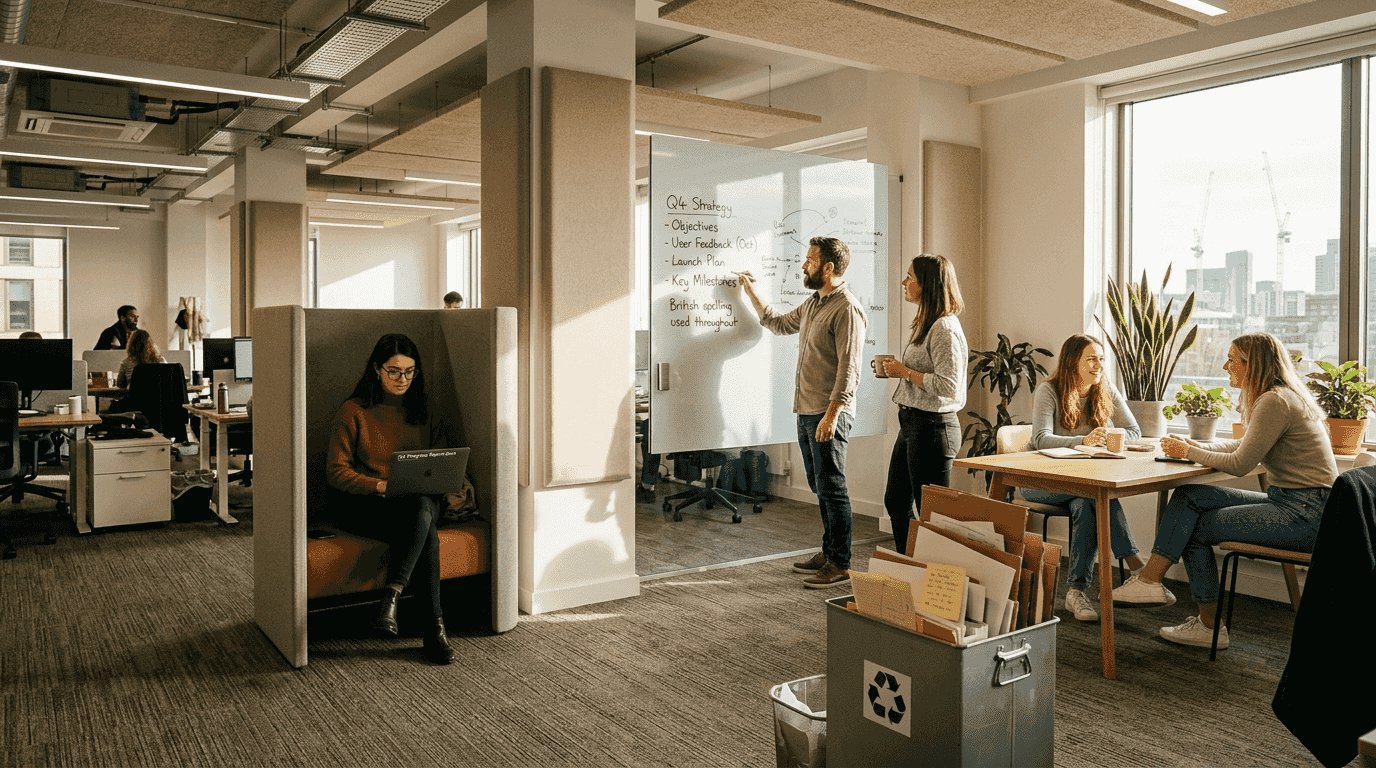
Layout choice dramatically affects daily sensory experience. Comparing popular configurations reveals why flexibility wins for neurodiverse needs.
| Layout type | Sensory control | Social interaction | Flexibility | Best for |
|---|---|---|---|---|
| Private offices | Excellent | Limited | Low | High sensory sensitivity |
| Open-plan | Poor | High | Low | Strong sensory tolerance |
| Hybrid/multizonal | Good | Moderate | High | Mixed/shifting needs |
| Activity-based | Excellent | Customisable | Excellent | Diverse team profiles |
Private offices maximise sensory control. You control lighting, temperature, and sound completely. However, isolation reduces spontaneous collaboration and can increase feelings of disconnection.
Open-plan designs promote collaboration but often overwhelm neurodiverse workers. Constant visual and auditory stimulation creates fatigue. Without escape options, these spaces become unsustainable for many.
Hybrid and multizonal layouts offer the best balance. Research shows 78% of neurodiverse workers prefer hybrid workspaces that balance sensory privacy with collaboration opportunities. These designs recognise that needs shift throughout the day.
Activity-based working provides maximum flexibility. Different zones support different tasks: quiet pods for focused work, collaboration spaces for teamwork, and social areas for breaks. You choose your environment based on current needs.
Flexibility supports sensory and social variability. Some days require intense focus in quiet; other days benefit from energising collaboration. Static layouts force you into the same environment regardless of task or energy level.
Neurodiverse workspace comparison tools help evaluate which layout best matches your specific sensory profile and work patterns.
Sensory and cognitive comfort through biophilic design
Natural elements provide measurable cognitive and emotional benefits for neurodiverse professionals. Biophilic design isn't aesthetic luxury; it's functional neuroscience.
Plants and natural daylight reduce anxiety significantly. Research demonstrates natural elements lower anxiety by 30% whilst supporting emotional regulation. Even small additions like desk plants create calming micro-environments.
Natural materials support working memory. Wood, stone, and natural fibres improve working memory by approximately 20% compared to synthetic materials. These materials also provide pleasant tactile experiences that ground sensory awareness.
Tactile-friendly, matte surfaces minimise distracting reflections. Glossy finishes and synthetic textures can trigger sensory discomfort. Natural materials typically offer more forgiving sensory characteristics.
Biophilic elements create restorative environments. Views of nature, natural patterns, and organic shapes help recover from cognitive fatigue. These features transform offices from draining to energising spaces.
Avoid harsh synthetic textures and materials. Highly processed surfaces often feel unpleasant to touch and can emit subtle odours that bother sensitive individuals. Natural alternatives typically offer gentler sensory profiles.
Strategic plant placement improves air quality whilst providing visual interest. Living walls, desk plants, and common area greenery create multiple touchpoints with nature throughout the workspace.
Personalised accommodation strategies
Individual adaptations complement environmental design to maximise productivity and comfort. Effective accommodations respect unique sensory profiles.
Noise-cancelling headphones rank among the most effective tools. They provide immediate sensory relief in environments you can't otherwise control. Many neurodiverse professionals consider them essential equipment, not optional accessories.
Adjustable sit-stand desks help manage sensory fatigue and physical restlessness. Research shows adjustable desks improve sustained focus by 14% whilst personalised accommodations raise productivity by 25%. Movement breaks prevent the physical discomfort that breaks concentration.
Personalised workstations respect individual preferences. Desk lamps, footrests, monitor arms, and personal fans let you fine-tune your immediate environment. These small adjustments create significant comfort improvements.
Accommodations should be flexible and user-controlled. Fixed solutions rarely match shifting needs throughout the day or across different tasks. Control creates autonomy and reduces sensory stress.
Regular sensory need assessments improve accommodation relevance. Needs change over time as roles evolve and understanding of personal triggers deepens. Periodic reviews ensure accommodations remain helpful.
Pro Tip: Document which accommodations work best for you. This record simplifies setup in new workspaces and helps communicate your needs to employers or workspace providers.
NeuroFlow assessment tools help identify which accommodations best match your specific sensory profile and work requirements.
Summary and situational recommendations
Synthesising these practices reveals clear patterns for selecting optimal neurodiverse-accessible offices based on individual needs.
| Priority | High sensory control | Social balance | Anxiety reduction | Flexibility |
|---|---|---|---|---|
| Layout | Private/quiet pods | Hybrid/multizonal | Biophilic open | Activity-based |
| Lighting | Full user control | Adjustable zones | Natural light | Dimmable systems |
| Acoustics | Sound isolation | Strategic zoning | White noise/music | Multiple options |
| Top feature | Personal office | Flexible zones | Natural elements | Choice architecture |
| Best for | High sensitivity | Mixed needs | Stress management | Varying tasks |
Sensory accommodations consistently rank highest among neurodiverse workspace criteria. Research shows 65% of neurodiverse workers prioritise sensory accommodations above other workplace features.
Flexible zoning and hybrid layouts best address mixed needs. Single-purpose spaces force compromise, whilst multizonal designs let you choose appropriate environments for different tasks and energy levels.
Situational picks vary significantly by individual profile. Someone with severe auditory sensitivity needs different features than someone managing visual overwhelm or social anxiety.
Neuro-inclusive offices demonstrate measurable business benefits. Neuro-inclusive offices see 20% higher employee retention compared to traditional workspaces, proving that accessibility supports both individuals and organisations.
Decision frameworks support optimal workspace selection. Consider your primary sensory triggers, work patterns, social preferences, and accommodation needs. Match these against available options systematically.
Workspace provider certification programmes help identify offices that genuinely meet neurodiverse accessibility standards rather than making unsupported claims.
Find neuro-friendly workspaces with NeuroIndex
Selecting the right office becomes straightforward with proper assessment tools and verified options. NeuroIndex simplifies this process through evidence-based evaluation and comprehensive listings.
The platform offers a curated directory of certified neuro-friendly offices across UK cities. Each listing includes detailed sensory profiles, accommodation options, and verified accessibility features. You can search neuro-friendly workspaces filtered by your specific sensory requirements.
The NeuroFlow assessment process evaluates workplace accessibility using validated metrics based on neuroscience research. This scientific approach ensures ratings reflect genuine neuro-inclusivity rather than marketing claims.
Workspace providers can pursue certification to demonstrate commitment to neurodiverse accessibility. The certification process includes on-site evaluation by specialists who assess sensory features, accommodations, and overall neuro-friendliness.
NeuroIndex combines expert validation with community reviews, giving you multiple perspectives on each workspace. Finding offices that truly support your sensory and cognitive needs becomes efficient and reliable.
Frequently asked questions
What features make an office neurodiverse-accessible?
Key features include adjustable lighting with colour temperature control, effective acoustic management through zoning or sound-masking, flexible quiet and collaborative zones, biophilic elements like plants and natural light, and availability of personalised accommodations such as adjustable desks and noise-cancelling headphones. User control over sensory inputs remains the most critical factor.
How can lighting affect neurodiverse professionals in offices?
Lighting directly impacts sensory comfort, focus, and cognitive performance. Harsh fluorescents or high-flicker lights trigger headaches, eye strain, and concentration difficulties. Adjustable, low-flicker lighting in the 4000K to 5000K range reduces sensory overload by up to 70% whilst supporting natural circadian rhythms and mood regulation.
Are open-plan offices suitable for neurodiverse employees?
Open-plan offices typically challenge neurodiverse workers due to constant auditory and visual stimulation without escape options. However, open-plan designs with designated quiet zones, acoustic management, and flexible working policies can work. Research shows 78% of neurodiverse professionals prefer hybrid or multizonal layouts that balance collaboration opportunities with sensory control.
What personalised accommodations help neurodiverse workers?
Adjustable sit-stand desks improve sustained focus by 14% and help manage physical restlessness. Noise-cancelling headphones provide immediate relief from auditory distractions. Desk lamps, monitor arms, and personal fans enable micro-environment control. Together, personalised accommodations can boost productivity by 25% whilst significantly improving workplace comfort and satisfaction.
How do I evaluate if an office meets neurodiverse accessibility standards?
Request a trial visit during typical working hours to experience sensory conditions firsthand. Assess lighting adjustability, acoustic quality in different zones, availability of quiet spaces, and accommodation flexibility. Look for biophilic elements and evidence-based design features. Validated assessment tools like NeuroFlow provide systematic evaluation frameworks based on neuroscience research rather than subjective impressions.